
How New Room Construction Works: Framing Timelines, Costs, and Common Misconceptions
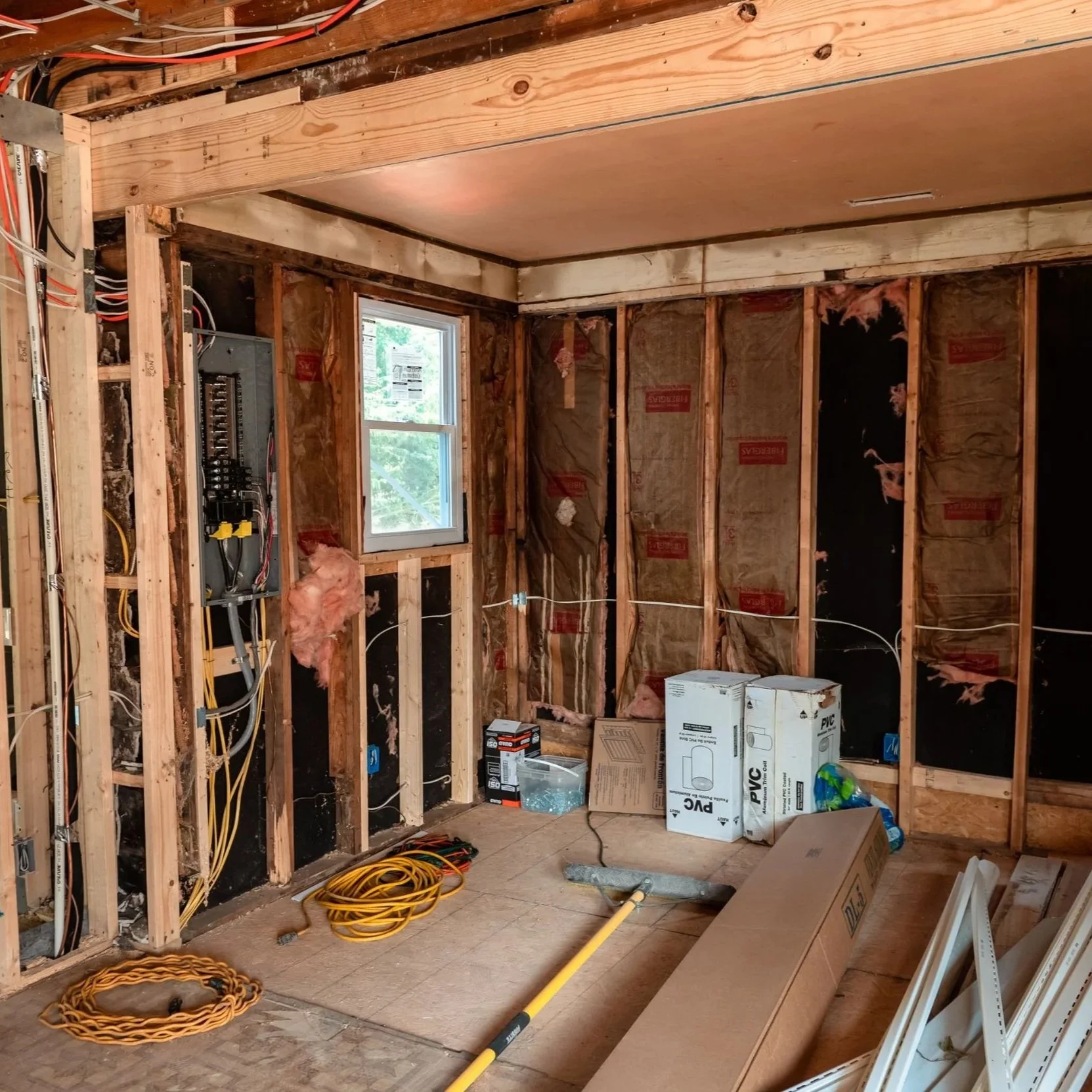
Without solid framing, everything else—plumbing, electricity, drywall, and finish work—becomes a gamble.
Adding a new room to your home can feel like a dream and a headache rolled into one. As someone who has spent decades framing, remodeling, and walking homeowners through every nail and stud, I’ve seen a lot of questions—and misconceptions—about what goes into building a new room. Richmond, VA, homes present unique challenges, from older foundations to local building codes, so understanding the process up front can save headaches and hidden costs later. The first step to tackling a project like this is understanding the framing stage, which is essentially the skeleton of your room. Without solid framing, everything else—plumbing, electricity, drywall, and finish work—becomes a gamble.
Framing might sound simple: hammering studs into place and calling it a day. In reality, it’s a careful choreography of measurements, lumber selection, and load calculations. Every wall, window opening, and ceiling joist needs to line up perfectly, and in Richmond, where older homes may have settled unevenly, adjustments are often necessary. Skilled framers don’t just follow a blueprint; they read the house like a book, checking for quirks in the structure that could throw off measurements or create uneven walls later. Even small misalignments can cause doors that don’t close, floors that squeak, or drywall that cracks over time. Framing is also the stage at which any structural reinforcements, such as headers above wide openings or additional support beams, are installed. Cutting corners here often leads to costly repairs or safety risks down the road.
Understanding Framing Timelines
One of the biggest misconceptions homeowners have is about how long framing takes. People often expect a new room to appear in a week or two, but the timeline depends on several factors. Size is the most obvious—framing a modest 10x12 room is obviously quicker than building a sprawling sunroom addition—but the complexity of the existing home structure and accessibility play major roles. In Richmond, many homes are older and built with unique layouts, meaning framers may spend extra time leveling, shimming, or reinforcing the existing foundation before a single wall goes up. Weather can also impact timelines. Even indoor framing can be delayed if materials are wet from rain or if exterior openings are exposed during a storm.
Typically, a straightforward room addition takes between three and seven days for framing alone, assuming no major structural surprises. Some projects, especially those incorporating vaulted ceilings or unusual rooflines, can stretch to two weeks or more. Experienced homeowners learn to factor in inspection timelines as well. In Richmond, building codes require inspections at various stages, including foundation, rough framing, and final approval. Delays in scheduling inspections or failing an initial inspection can push the project further off schedule. While it’s tempting to want walls up quickly, rushing framing is one of the fastest ways to create long-term headaches like uneven floors or misaligned doorways.
Breaking Down Construction Costs
Cost is always top of mind when adding a room, and framing is no exception. Lumber prices fluctuate, and Richmond homeowners may notice the difference between buying premium or standard-grade studs. Beyond lumber, there’s labor, fasteners, hardware, and sometimes temporary safety supports. On average, framing a room in Richmond can cost between $7,000 and $15,000, depending on size and complexity. That figure might seem high, but it covers more than just hammering wood together—it includes precise measurements, cutting, nailing, leveling, and accounting for any adjustments in the existing structure.
Hidden costs often surprise homeowners. Older homes may require extra reinforcement or joist sistering to handle the added weight of new walls or ceilings. Plumbing and electrical rough-ins sometimes need to be coordinated with framing, especially when drilling holes for pipes or conduit. Ignoring these factors can result in mid-project changes, which tend to be expensive and disruptive. Budgeting realistically for both materials and labor, plus a cushion for unexpected structural tweaks, is key to avoiding sticker shock. A seasoned contractor will walk you through these scenarios up front, rather than waiting for the first surprise to hit your wallet.
Common Misconceptions About Room Construction
Many homeowners assume that adding a room is as simple as building four walls and a roof. Reality paints a different picture. One misconception is that the walls will go straight up without adjustments. Most homes settle over time, and foundations shift, so framers often need to make corrections on the fly. Ignoring this can result in warped walls, misaligned doors, or uneven ceilings. Another misconception is that framing automatically solves all space issues. The layout must account for load-bearing walls, electrical wiring paths, and plumbing placement, which sometimes limits where walls can go or forces creative design solutions.
People also tend to underestimate the importance of timing inspections and coordinating subcontractors. Many projects stall because the homeowner assumed framing could happen independently of permits or inspection schedules. In Richmond, VA, code compliance is not optional. Inspectors check not just safety but also whether the framing meets local structural standards. If a wall is removed or a beam is repositioned without proper approval, the project can face fines or require partial demolition to correct. Realistic expectations and patience at this stage save both money and stress.
Material Choices and Their Impacts
The wood used in framing is more than just a building material—it influences the room’s long-term durability and performance. Standard pine studs are the most common, but hardwoods or engineered lumber can offer added strength, especially for load-bearing walls. Engineered options, like laminated veneer lumber (LVL), are often used for headers above wide openings, providing strength without the bulk of traditional lumber. In Richmond, local humidity levels also play a role. Moisture can warp untreated wood over time, which is why proper storage and acclimation before installation are critical.
Insulation placement, while technically part of the next phase, is closely tied to framing. Framers leave space for R-value-appropriate insulation, which affects energy efficiency and comfort. A room framed too tightly or with poorly spaced studs can limit insulation effectiveness, leaving homeowners with higher energy bills. Planning for insulation during framing may seem minor, but it prevents retrofitting headaches later. Smart material choices and proper installation during framing are investments in both comfort and structural integrity.
Real-World Challenges During Framing
Even the best-laid plans encounter obstacles. Uneven floors are a classic challenge in Richmond homes built decades ago. Framers often use shims to level walls or adjust joists slightly to achieve a uniform ceiling line. Windows and doors sometimes don’t fit the original measurements perfectly, requiring adjustments in header placement or stud spacing. Sometimes homeowners request last-minute changes—like moving a doorway or adding a closet—which can ripple through the framing work. While flexible planning is part of the process, every change adds time and cost.
Another frequent issue is coordination with other trades. Electricians, plumbers, and HVAC installers often need access to wall cavities during framing. If the schedule isn’t coordinated, you can end up with blocked access or delays, which can cause frustration and, in some cases, damage the freshly installed framing. Clear communication and sequencing are essential. The best projects I’ve handled in Richmond involve a carefully mapped timeline in which each trade knows exactly when they step in, minimizing conflicts and keeping the build moving efficiently.
Long-Term Considerations for Homeowners
Framing quality affects more than just immediate aesthetics. Poorly installed framing can lead to uneven floors, sagging ceilings, or bowing walls over time. Even slight imperfections magnify as drywall is installed, paint is applied, and furniture is moved in. For homeowners planning to sell, these issues can impact appraisal values and buyer perception. A room that looks perfect in a blueprint but is slightly off in reality can lead to costly cosmetic fixes down the road. Investing in experienced framing work pays dividends in long-term stability and value.
Maintenance also ties back to framing. Framing that has been treated and properly sealed resists moisture intrusion and pests. Richmond’s climate, with humid summers and occasional winter freezes, can be harsh on untreated wood. Over time, untreated or poorly framed walls may warp or attract termites, leading to expensive repairs. Framing isn’t just a one-time investment; it’s part of the ongoing structural health of your home. Keeping an eye on minor cracks or shifts early prevents serious issues later.
Planning for Inspections and Permits
Permits are more than paperwork—they are your protection against unsafe construction. In Richmond, VA, the building department requires inspections at key milestones: foundation, rough framing, and final review. A missed inspection can delay drywall installation and, in extreme cases, force removal of completed work. Experienced contractors schedule inspections proactively and prepare all necessary documentation, saving homeowners time and stress. Understanding when and why inspectors visit can help homeowners plan around the disruption rather than react to it.
Inspections also help catch hidden issues that even a skilled framer might miss. Structural weak points, incorrectly installed headers, or misaligned load-bearing walls can be corrected before they turn into major headaches. Permits and inspections are not obstacles—they are tools to protect your investment, the safety of your family, and compliance with Richmond’s local building codes. Ignoring them might save time in the short term, but it often leads to expensive delays or repairs.
Setting Realistic Expectations
One of the most important steps in a successful room addition is realistic expectations. Homeowners often overestimate speed, underestimate cost, and assume framing is the end of structural concerns. Communicating openly with your contractor about budget, timeline, and flexibility makes a project far smoother. Framing is only one part of the larger process, but it sets the tone for everything that follows, from electrical and plumbing to drywall and finishing touches. A well-framed room feels sturdy, looks square, and makes all subsequent work easier and less stressful.
Understanding your role as a homeowner is equally important. Showing up for decisions on window placement, trim choices, and inspection scheduling keeps the project moving. Questions like “Will the wall stay straight?” or “How will this affect my energy bills?” are not rivial—they inform the framing decisions and long-term satisfaction with the new space. Patience and preparation at this stage often save double the time and cost later.
Act Now: Critical Answers Before Framing Your New Room in Richmond, VA
How long does it take to frame a new room in Richmond, VA?
Typically, 3–7 days for a standard addition. Older homes, complex layouts, high ceilings, or inspection timing can extend it to two weeks.
What are the average costs for framing a room in Richmond, VA?
Expect $7,000–$15,000, depending on size, complexity, and materials. Extra costs may come from structural work or plumbing/electrical coordination.
Do older Richmond homes present challenges during framing?
Yes. Uneven foundations or settled floors often require adjustments to avoid crooked walls, misaligned doors, or future issues.
Do I need a permit to add a room in Richmond, VA?
Yes. Permits and inspections are required at the foundation, framing, and final stages to ensure safety and code compliance.
What material choices affect long-term room stability?
Studs, headers, and engineered lumber impact durability. Treated wood resists moisture and pests, while engineered lumber supports wider spans without sagging.
Eagle Home Renovation is a family-owned general contracting business offering 20 years of experience in residential home remodeling. We remodel kitchen, bathrooms, balconies, decks, patios and porches, and garage for homeowners in Richmond, VA, and surrounding areas. Call us today.