
Why Pre-Construction Planning Sets the Tone for a Smooth Home Renovation Project
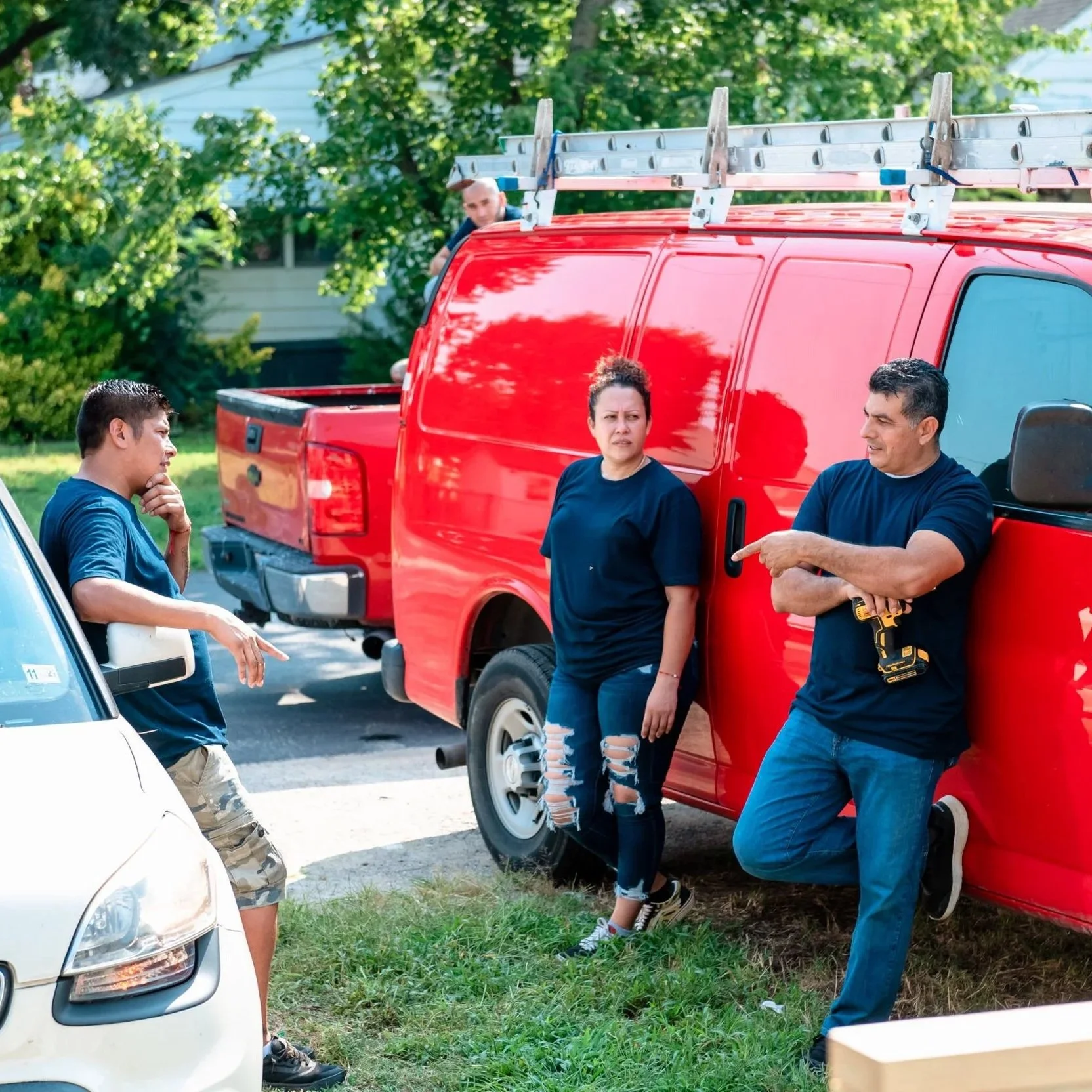
Pre-construction planning does not slow down the renovation. It creates the conditions for steady progress, fewer surprises, and better long-term results.
Running a home renovation business in Richmond, VA, teaches you one thing pretty quickly. Most renovation problems do not start with bad materials or lazy workmanship. They usually start months earlier, long before the first wall gets opened or the first cabinet gets delivered. They start with rushed decisions, vague expectations, and homeowners who feel pressured to “just get started” before fully understanding what that start actually means.
After working in homes across the Fan, Midlothian, Short Pump, and older neighborhoods near Church Hill, patterns become hard to ignore. Projects that feel calm, organized, and predictable almost always share one thing in common: thoughtful pre-construction planning. Homeowners and contractors sit down early, discuss the details, anticipate potential problems, and agree on priorities. Projects that skip that stage tend to feel chaotic, expensive, and emotionally draining. Pre-construction planning does not slow down the renovation. It creates the conditions for steady progress, fewer surprises, and better long-term results.
The Difference Between Dreaming and Designing
Most renovation projects begin with a vision. Homeowners imagine brighter kitchens, more functional bathrooms, or open living spaces where families can gather comfortably. That excitement plays an important role. It motivates people to invest in their homes and take on disruptive projects. Problems start when that vision stays vague. Wanting “a bigger kitchen” or “a nicer bathroom” sounds clear, but in practice, those phrases mean different things to different people. Without structured planning, expectations drift apart quickly.
During pre-construction planning, ideas become measurable decisions. Cabinet sizes get finalized. Appliance clearances get verified. Electrical loads get calculated. Structural changes get reviewed. In Richmond homes, especially older ones, framing irregularities, outdated wiring, and hidden plumbing surprises often exist behind walls. Planning brings those realities into the open before demolition starts. Homeowners gain a realistic understanding of what is possible within their budget and structure. Contractors gain clarity on how to build without constant redesign. That shared understanding prevents disappointment later when imagined features collide with physical limitations.
Design development also reveals how one choice affects another. Changing countertop thickness may alter cabinet heights. Moving a wall may affect HVAC duct runs. Enlarging a shower may reduce closet storage. Without planning, these domino effects appear mid-project, forcing rushed compromises. Thoughtful design work addresses these interactions early.
Homeowners who actively participate in this phase usually feel more confident later because their decisions no longer feel reactive. They feel informed. That confidence becomes emotional insurance when construction noise, dust, and schedule adjustments inevitably arrive.
Budgeting Without Blindfolds
Money conversations make many homeowners uncomfortable. People want beautiful results without confronting costs too directly. Skipping detailed budgeting during pre-construction planning often feels easier in the short term. Unfortunately, vague budgets create some of the most painful renovation experiences. A rough estimate based on square footage or online calculators rarely reflects real conditions inside specific Richmond homes.
Detailed planning forces real numbers into the conversation. Material costs, labor hours, permit fees, waste disposal, specialty trades, and inspection timelines get documented. Old plumbing lines may need replacement. Foundation leveling might be required. Electrical panels could require upgrades. Each item adds cost, but also prevents future breakdowns and safety hazards. When homeowners see how budgets are built piece by piece, spending decisions become grounded rather than emotional.
Transparent budgeting also allows meaningful prioritization. Some families prefer higher-end finishes and accept simpler layouts. Others focus on structural upgrades and choose modest aesthetics. Without early planning, money gets spent impulsively when surprises appear. Emergency upgrades replace desired features. Long-term satisfaction drops. With strong pre-construction budgeting, homeowners can control trade-offs rather than be forced into them. Renovations become strategic investments rather than financial rollercoasters.
Cash flow planning plays a role as well. Payment schedules tied to milestones protect both parties. Contractors maintain stable operations. Homeowners avoid sudden lump sum demands. Everyone understands when funds will be needed and why. Projects that manage money clearly tend to maintain trust even when delays occur. Projects that do not often collapse into tension and suspicion.
Navigating Richmond’s Homes, Codes, and Climate Realities
Renovating in Richmond, VA, carries specific challenges that outsiders often underestimate. Many homes feature historic construction methods, mixed materials, and layers of past renovations. Brick foundations, balloon framing, and plaster walls behave differently from modern systems. Without pre-construction investigation, these elements can derail schedules and budgets.
Planning allows contractors to evaluate load-bearing walls, moisture pathways, insulation gaps, and ventilation patterns before work begins. In humid Virginia summers, poor moisture management leads to mold, warped flooring, and insulation breakdown. In winter, inefficient heating zones create comfort issues and rising utility bills. Pre-construction planning identifies how new work integrates with existing systems rather than fighting them.
Local building codes and permitting processes also shape renovation timelines. Richmond’s inspection schedules, zoning overlays, and historic district requirements can affect design approvals. Homeowners who plan early account for review periods and documentation needs. Projects that ignore these steps often face work stoppages and redesign orders. No amount of craftsmanship fixes paperwork problems once inspectors intervene.
Climate resilience deserves attention as well. Heavy rainfall, occasional flooding, and temperature swings place stress on foundations, roofing, and exterior finishes. Planning addresses drainage slopes, window flashing, vapor barriers, and material compatibility. Homeowners benefit years later through reduced maintenance and fewer repairs. Thoughtful pre-construction work quietly protects investments long after the dust settles.
Communication: The Invisible Framework Holding Everything Together
Many people assume good communication happens naturally. Experience shows otherwise. Renovation projects involve homeowners, designers, general contractors, subcontractors, suppliers, and inspectors. Each group speaks its own professional language. Without structured communication planning, messages distort as they travel.
Pre-construction meetings establish how updates will be shared, who approves changes, and how problems get escalated. Clear chains of responsibility reduce confusion. Homeowners know who to call. Contractors know where decisions originate. Written scopes, schedules, and material specifications become shared reference points rather than forgotten emails.
Documentation plays a major role. Change orders, allowances, and site conditions get recorded before work begins. When unexpected issues arise, teams refer back to agreements rather than argue from memory. Trust stays intact because expectations were documented. Projects without these systems often drift into blame cycles when setbacks occur.
Communication planning also prepares homeowners emotionally. Renovation disrupts daily life. Noise, dust, parking limitations, and temporary utility outages happen. Honest pre-construction conversations prepare families for inconvenience. People cope better when challenges feel anticipated rather than surprising. In practice, well-informed homeowners tend to remain supportive partners throughout construction. Those who are poorly informed feel ambushed and frustrated.
Planning for the Long Haul, Not Just the Reveal
Renovation marketing often focuses on revealing moments. Shiny kitchens and spa-like bathrooms dominate social media. Real homeowners live with renovations long after photos fade. Pre-construction planning shifts focus toward durability, maintenance, and adaptability.
Material selection discussions go beyond color and texture. Planners evaluate wear patterns, cleaning requirements, and replacement cycles. Hardwood flooring in high-traffic areas behaves differently from luxury vinyl plank flooring. Quartz counters respond differently to heat than natural stone. Planning clarifies how daily habits interact with materials over time.
Mechanical systems receive similar attention. HVAC sizing, ventilation balancing, and plumbing layouts affect comfort and reliability for decades. Improper system integration leads to uneven temperatures, condensation problems, and premature equipment failure. Early coordination between trades prevents these slow-building frustrations.
Future-proofing matters as well. Families grow. Mobility needs change. Technology evolves. Pre-construction planning considers access widths, electrical capacity, and flexible layouts. Homeowners who think ahead avoid costly retrofits later. Renovations become long-term solutions rather than temporary upgrades.
Need to start fast? How early should pre-construction planning begin for a home renovation in Richmond, VA?
Pre-construction planning should begin as soon as serious budget and scope discussions start, often several months before construction. Early planning allows time for site evaluations, design development, permit reviews, and contractor coordination, helping you avoid rushed decisions and scheduling conflicts later.
Will pre-construction planning increase my renovation costs?
Pre-construction planning adds some upfront professional time, but it typically reduces the total project cost. It helps prevent redesigns, material waste, and emergency fixes, leading to more predictable spending and fewer costly surprises.
What if structural problems are discovered after construction has already started?
Without proper planning, hidden issues like rotted framing or outdated wiring often appear mid-project, forcing immediate changes. A thorough pre-construction process reduces these risks and allows for realistic contingency planning before work begins.
Is pre-construction planning really necessary for smaller renovations?
Yes, even small bathroom or kitchen remodels benefit from structured planning. These projects still involve plumbing, electrical, ventilation, and finish coordination, and skipping planning often leads to delays and mismatched results.
How involved should homeowners be during the planning phase?
Homeowners should stay actively involved by reviewing layouts, budgets, and timelines, and asking practical questions about daily use and maintenance. This involvement leads to smarter decisions and fewer regrets once construction is underway.
Eagle Home Renovation is a family-owned general contracting business offering 20 years of experience in residential home remodeling. We remodel kitchen, bathrooms, balconies, decks, patios and porches, and garage for homeowners in Richmond, VA, and surrounding areas. Call us today.