
Signs a Roof Needs More Than Just a Patch and What Can Be Done About It
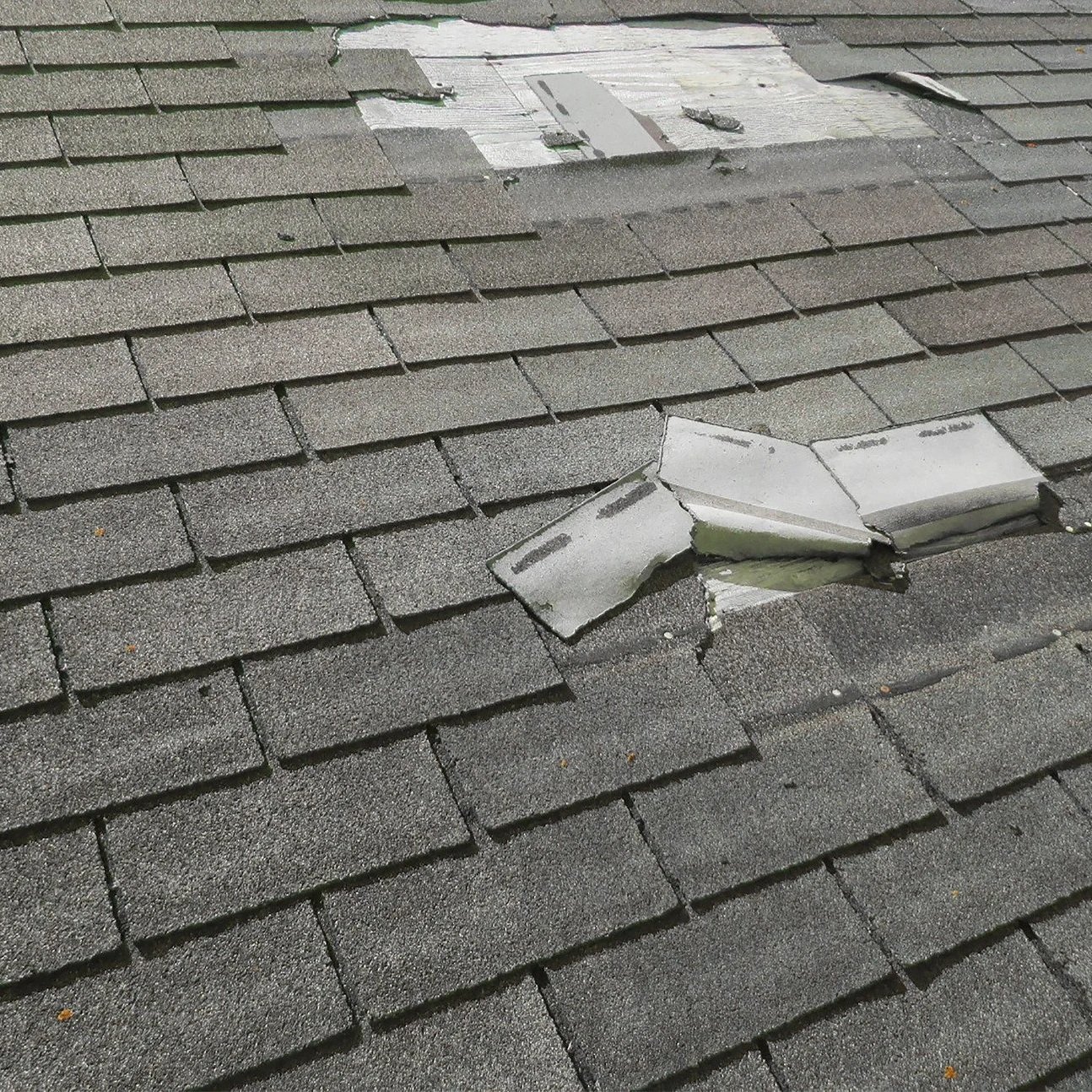
Knowing when a patch won’t cut it helps homeowners avoid further damage and invest in repairs that actually make a difference.
Roofs take a beating year after year, shielding everything underneath from sun, wind, rain, and debris. While a simple patch might handle a shingle or two, some signs point to deeper trouble. When those signs start showing up, it’s time to stop thinking about short-term fixes and start looking at long-term solutions.
A roof that quietly ages out of usefulness won’t always leak dramatically. Sometimes, it’s more subtle—curling shingles, dark streaks, or a spike in utility bills. Knowing when a patch won’t cut it helps homeowners avoid further damage and invest in repairs that actually make a difference.
Missing Shingles With No End In Sight
One or two missing shingles after a windstorm doesn’t mean a full replacement. But when the problem keeps coming back, it usually points to worn-out underlayment, old fasteners, or shingle adhesive that no longer holds.
Patching only the visibly damaged areas leaves the surrounding materials vulnerable. If shingles continue to lift or disappear after every storm, a full replacement offers better protection and longer-lasting results.
Widespread Curling And Cracking
Shingles aren’t supposed to curl at the edges or split down the middle. When they start warping or cracking across broad sections of the roof, they lose their ability to shed water properly. Curled shingles create pockets where moisture collects, and cracked ones allow water to slip beneath the surface.
At this point, patching does little more than delay the inevitable. Replacing the entire roof solves the problem at its core and prevents mold, rot, or structural damage from taking hold.
Granules Filling The Gutters
Shingles wear down over time, and granules help protect them from UV rays and the elements. When those tiny pebbles start collecting in gutters or pooling near downspouts, it signals that the shingles are nearing the end of their life.
Excess granule loss leaves the shingles exposed and speeds up their decline. Once the protective coating disappears, the materials underneath begin to break down fast. A patch won’t restore granules—only new shingles can take over where the old ones failed.
Multiple Layers Hiding Bigger Problems
Some older roofs have been covered with a second layer of shingles as a quick-fix solution. While it may have worked in the short term, double layering traps moisture, adds weight, and often conceals bigger issues underneath.
Tearing off all layers and starting fresh creates a clean surface to assess and correct underlying damage. New materials can then be installed without the added strain or hidden risks.
Leaks That Keep Coming Back
Persistent leaks rarely stay isolated to one spot. Even after a patch, water often finds a new path. Drips in the attic, stained ceilings, or water spots on walls point to a larger issue with the roof’s waterproofing system.
Instead of chasing the leak from room to room, a full roofing system replacement stops the problem at the source. New flashing, underlayment, and shingles work together to block water before it can make its way inside.
Sagging Rooflines Or Uneven Surfaces
A roof should hold its shape. Sagging areas or dips in the surface may indicate trapped moisture, structural deterioration, or damaged decking underneath the shingles. Left unchecked, these problems can lead to collapse or expensive framing repairs.
Reinforcing the structure and replacing the roofing materials helps restore the roof’s strength and shape. It’s not just cosmetic—it’s essential to the home’s safety and stability.
Higher Energy Bills Without Clear Reason
Roofs contribute heavily to a home’s insulation and energy performance. When air escapes through gaps or poor ventilation causes heat buildup, utility bills often rise without warning. Older roofs with little insulation or deteriorating seals make HVAC systems work harder to maintain temperature.
Replacing the roof with modern materials and improved insulation keeps the home cooler in summer and warmer in winter. That upgrade can bring energy costs back down while improving indoor comfort.
Moss, Algae, And Rot
Moss and algae growth may seem like a surface issue, but they often signal excess moisture or shade-related problems. Moss holds water against the shingles, leading to decay over time. In wetter climates, the issue spreads fast.
Cleaning can help temporarily, but if the roof already shows signs of rot or softness, a replacement may be the better option. New shingles with algae-resistant coatings and proper drainage systems help prevent the problem from returning.
What Can Be Done About It
Once a roof starts showing multiple signs of failure, a full replacement becomes the smartest investment. A professional roofing team can inspect the surface, evaluate the structure, and recommend materials that suit the home’s location and style.
Modern roofing systems include high-performance underlayment, improved flashing, and shingles designed to resist impact, wind, and UV damage. Ventilation upgrades and better insulation can also be added during the process, turning a vulnerable roof into a strong, efficient shield overhead.
Choosing the right contractor matters just as much as the materials. A reputable roofer can look beyond the surface and recommend the solution that actually fits the home’s needs. With proper installation and quality products, a new roof can deliver decades of dependable performance.
A Patch Can’t Fix What Needs Rebuilding
Patching a failing roof is like taping over a cracked windshield. It holds for a while, but eventually the weakness spreads. Recognizing the signs and acting early helps prevent damage to everything beneath the surface. A roof that’s ready for more than a patch deserves the attention—and investment—that keeps the home protected, efficient, and ready for whatever the sky throws its way.
Trust Eagle Home Renovation for quality fences, railing, and gates, plumbing, roofing, electrical, painting, flooring, and windows in Richmond, VA. We are a licensed and insured contractor. Call us today.