
Top Structural Repairs That Follow After Water or Fire Damage
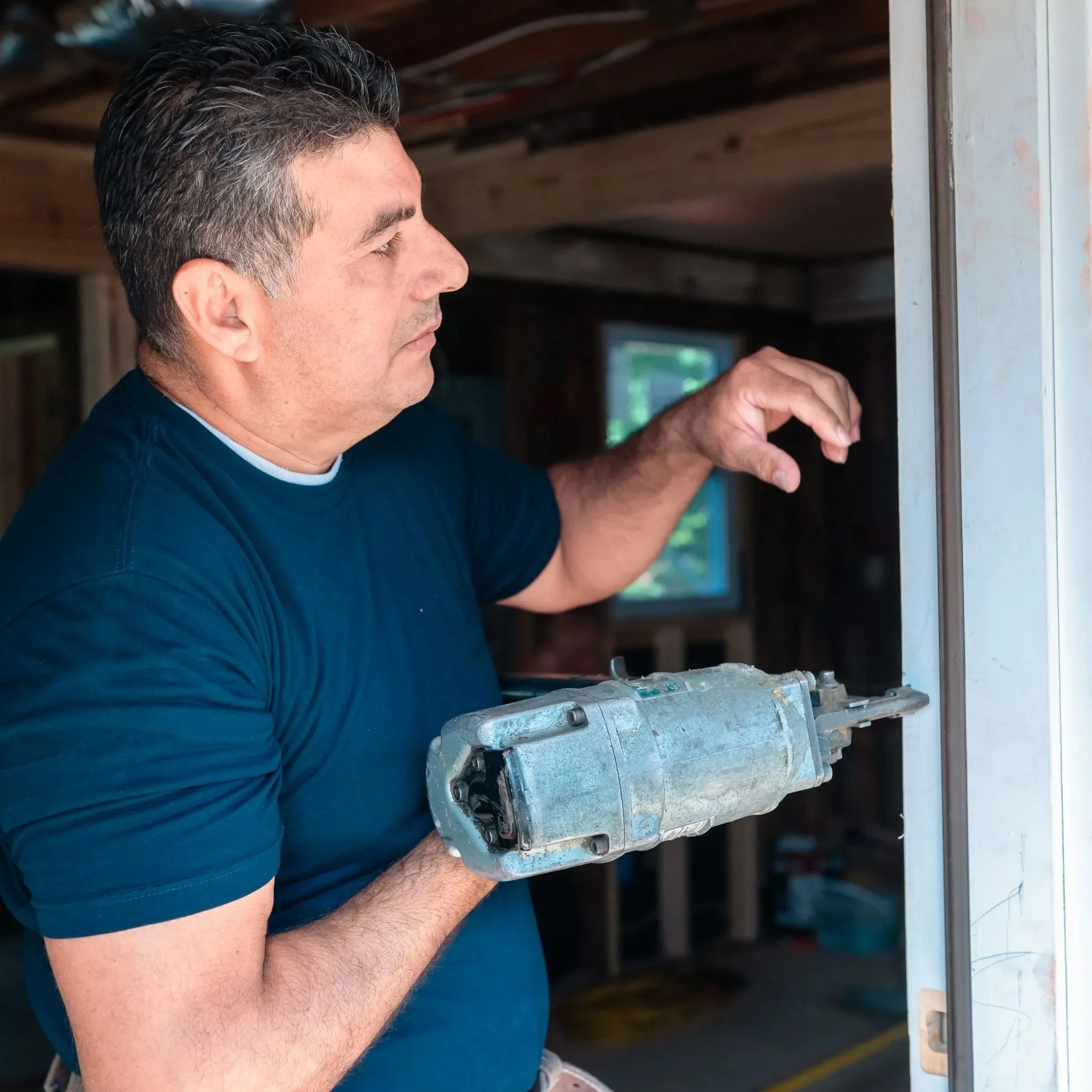
Done properly, these behind-the-scenes repairs strengthen the home from the inside out and stop future problems before they have a chance to start.
When water or fire hits a home, the damage doesn’t always stop at the surface. Behind the wet drywall or charred siding, a home’s structure takes the brunt of the impact. While cosmetic fixes may bring a quick visual reset, structural repairs are where real recovery begins. These repairs restore stability, protect long-term safety, and prepare the space for everything that comes next—from framing and flooring to full remodels.
Addressing the structure first sets the foundation for everything else. Done properly, these behind-the-scenes repairs strengthen the home from the inside out and stop future problems before they have a chance to start.
Framing Repairs That Restore Load-Bearing Strength
Wood framing is especially vulnerable after a fire or flood. Water soaks into studs, joists, and beams, weakening the wood and inviting mold and rot. Fire may burn, char, or even warp the structure. If left untreated, these compromised elements can affect the integrity of walls, ceilings, and entire floor systems.
Professionals assess the condition of all structural framing, replacing damaged sections with treated lumber or engineered alternatives that resist moisture and improve load-bearing capacity. In some cases, reinforcements like steel brackets or sistered joists add extra support. These repairs return strength where it’s been lost—and prevent future sagging or collapse.
Subfloor Replacement That Supports Safe Living
Subfloors sit between the floor covering and the joists, and they take a beating during water damage. Moisture can cause swelling, warping, or even delamination in plywood and particleboard. In fire-damaged homes, subfloors may become brittle, structurally unstable, or soaked by water used to extinguish flames.
Repair involves cutting out compromised sections and replacing them with new panels secured to dry, sound framing. It’s a crucial step for safety—and for any new flooring that’s going in. Whether it’s hardwood, tile, or luxury vinyl, everything starts with a level, solid base.
Roof Decking And Truss Repair
Both fire and water can wreak havoc on a roof’s structure. Fire may burn through decking or weaken trusses, while water leaks often lead to rot and mold around roof openings. Sagging, spongy spots, or dark stains are warning signs that structural repairs are needed.
In some cases, entire sections of roof decking need to be removed and rebuilt. If trusses are scorched or split, repairs may include custom bracing, replacement parts, or complete truss rebuilds—especially if structural engineers determine the damage affects overall support.
Wall Studs And Sheathing Repair
Wall cavities hide most of the structural framework, which means damage often stays hidden until the demolition phase. Water can wick up studs and insulation, weakening both, while fire leaves behind charring that may not be fully visible beneath the surface.
Wall repairs involve removing all compromised materials—often down to the bare frame—then rebuilding with fresh sheathing and new studs as needed. Fire-blocking elements may also be added to slow the spread of flames in the future. Once the framing is stable, walls are reinsulated and closed back up with drywall or other finishes.
Foundation And Slab Assessment
Though less common, water damage from floods or long-term leaks can affect the foundation. Standing water around the base of a home may cause soil erosion, cracking, or settling in concrete slabs or block foundations. Fire damage usually spares the foundation itself, but extreme heat or rapid cooling during fire suppression can cause cracking or expansion stress in rare cases.
Structural experts may use pressure testing, thermal imaging, or visual inspection to identify issues. Repairs could include epoxy injection for cracks, concrete resurfacing, or even full structural reinforcement in severe cases. A sound foundation is essential to keep the rest of the structure level and safe.
Joist And Beam Replacement
Floor and ceiling joists are the backbone of any horizontal structure, and damage to them compromises more than justappearance. Waterlogged or burned joists can sag, bounce, or even fail entirely if not addressed. Replacing them involves temporary shoring, removal of the damaged sections, and installation of new lumber, steel, or engineered wood.
Beam replacement or reinforcement may also be necessary when fire weakens a main support or when long-term water damage erodes its strength. These repairs are structural must-haves and should always be handled by professionals who understand load transfer and safety standards.
Mold Remediation Before Rebuilding
Water damage almost always brings along an unwelcome guest: mold. Before any structural repair can be completed, the area needs to be dried thoroughly and treated for microbial growth. Mold thrives inside wall cavities, under floors, and around insulation—and it doesn’t take much time to settle in.
Remediation often includes HEPA vacuuming, antimicrobial treatments, and complete material removal in cases of widespread contamination. Only after the area is clean and dry can new materials be installed. Skipping this step guarantees future problems and compromises the integrity of any new work.
Insulation And Ventilation Improvements
Structural repair creates an opportunity to improve how the home breathes. Once the framing and sheathing are exposed, damaged insulation is replaced with moisture-resistant or fire-retardant materials. Upgrades like spray foam or rigid foam boards add energy efficiency while protecting against mold and moisture intrusion.
New soffit vents, ridge vents, or attic fans may also be added at this stage to prevent future buildup of heat or humidity, which is especially important in homes recovering from water or fire damage.
Built Stronger for What’s Ahead
Restoring a home after damage isn’t just about patching things up. It’s a chance to rebuild better, safer, and smarter. Structural repairs take center stage in that process. They reset the home’s foundation, frame, and support systems to carry the load of modern living—and future upgrades.
Handled by professionals and built for each unique situation, these repairs deliver long-term stability that’s often stronger than what was there before. It’s the work no one sees—but everyone benefits from. And it turns a once-damaged space into something that’s ready to stand tall for decades to come.
Contact Eagle Home Renovation when you need epoxy, cabinets, demolition, and damage restoration services in Richmond, VA. We ensure quality workmanship and customer satisfaction. Call today.