
Window Replacements That Improve Energy Efficiency and Natural Light
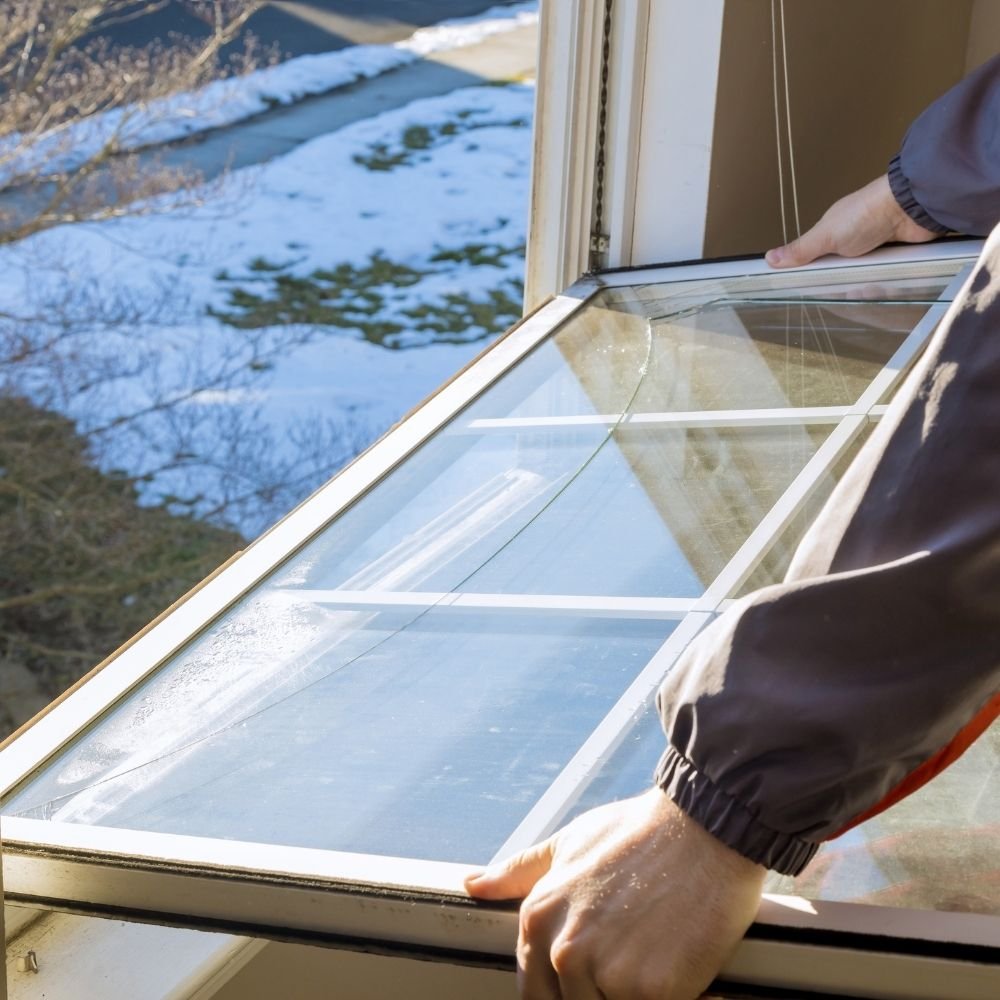
Replacing outdated windows offers one of the highest returns on investment in a home, both in everyday comfort and long-term savings.
Windows do more than frame the view—they shape how a home breathes, feels, and functions. Old, drafty windows steal comfort and spike utility bills, while new ones quietly go to work, regulating temperature and flooding rooms with natural light. Replacing outdated windows offers one of the highest returns on investment in a home, both in everyday comfort and long-term savings.
Modern window upgrades combine high-performance glass, advanced framing materials, and thoughtful design. The result? Bright interiors, balanced temperatures, and a quieter, more efficient space that looks just as good as it feels.
Dual And Triple-Pane Glass That Blocks The Elements
Glass technology has come a long way. Where single-pane windows once struggled to stand up to weather changes, dual- and triple-pane options now handle everything from frigid winters to scorching summers. Layers of insulated glass create a buffer against outdoor temperatures, helping indoor spaces maintain consistent comfort without overworking the HVAC system.
Gas fills—like argon or krypton—between the panes boost thermal performance without adding visible bulk. Combined with warm-edge spacers, these multi-pane setups keep heat in during winter and out during summer, reducing energy consumption and improving overall efficiency.
Low-E Coatings That Work Year-Round
Low-emissivity (Low-E) coatings are a nearly invisible upgrade that make a big impact. These micro-thin metallic layers reflect heat while allowing visible light to pass through. In cooler months, Low-E glass helps keep warmth inside. During warmer seasons, it deflects solar heat and harmful UV rays.
That kind of control improves indoor comfort while protecting flooring, furniture, and artwork from fading. The glass stays clear, clean, and sharp—never tinted or reflective—and lets in just the right amount of daylight.
Frame Materials That Fight Thermal Transfer
The glass isn’t doing all the heavy lifting. The window frame matters, too. Modern framing materials like fiberglass, vinyl, and composite resist thermal transfer far better than old aluminum or wood.
Vinyl frames are popular for their affordability and low maintenance, while fiberglass offers superior strength and resistance to warping in extreme weather. Composite frames often combine the best of both worlds, delivering stability, durability, and energy performance that lasts.
All these options outperform traditional materials by sealing better, expanding less, and resisting air infiltration. That means fewer drafts and a tighter building envelope year-round.
Better Seals And Weatherstripping For Airtight Results
Replacing windows provides a golden opportunity to correct years of wear. Over time, seals fail, weatherstripping breaks down, and air sneaks in around the edges. New installations correct those issues with tighter seals, factory-installed weather barriers, and precision fitting.
When windows are installed correctly, the entire opening becomes more airtight, reducing outside noise, moisture intrusion, and air leaks. Homeowners notice fewer temperature swings, quieter rooms, and a noticeable drop in energy usage—especially in older homes.
Designs That Maximize Natural Light
Energy efficiency doesn’t mean sacrificing natural light. In fact, modern windows do a better job of letting light in without turning rooms into greenhouses. Thinner frames, larger panes, and cleaner lines help maximize glass area, allowing daylight to flood spaces without compromising efficiency.
Wider window openings, picture windows, and strategically placed transoms brighten rooms that once felt dim. The result is a home that feels bigger, fresher, and more connected to the outdoors—even on cloudy days.
Ventilation Without Compromise
Windows play a role in airflow too. Well-designed replacements improve ventilation by offering more versatile opening options and smoother hardware. Casement and awning windows, for example, allow fresh air to enter even during light rain while keeping the elements out.
Modern screens are designed to stay out of the way, letting breezes in without dulling the view. When combined with efficient insulation and sealing, homeowners can open the windows without worrying about giving up all their conditioned air in the process.
Custom Options That Fit Every Home
Window replacements aren’t one-size-fits-all. Modern options can be customized to match a home’s style, layout, and light needs. Grids, glass tints, hardware finishes, and interior trims allow homeowners to match both their design preferences and their performance goals.
Whether restoring charm in a historic home or upgrading a mid-century layout, replacement windows can be styled to complement the look without skimping on function. Today’s windows respect architectural details while delivering better performance at every level.
Energy Star Ratings That Speak For Themselves
Many of the most energy-efficient windows carry Energy Star certification. These windows meet strict performance guidelines for insulation, solar heat gain, and air leakage. Choosing certified products adds confidence to the investment—and often qualifies for rebates or incentives from local utility companies.
By focusing on U-factor, Solar Heat Gain Coefficient (SHGC), and visible transmittance, homeowners can select windows built for their climate and usage. These numbers help guide choices beyond aesthetics and make the replacement process even more worthwhile.
A Brighter, Smarter Investment
Window replacements offer more than a cosmetic refresh. They affect how a home feels in every season—how it warms up in the winter, stays cool in the summer, and glows with natural light all day long.
With improved insulation, reduced energy usage, and upgraded design, modern windows deliver value that goes far beyond the frame. Every room feels a bit more comfortable, every corner a little brighter, and every energy bill a little less painful. From quiet mornings to cozy nights, well-designed windows quietly improve daily life without calling attention to themselves—and that’s what makes them such a smart upgrade.
Trust Eagle Home Renovation for quality fences, railing, and gates, plumbing, roofing, electrical, painting, flooring, and windows in Richmond, VA. We are a licensed and insured contractor. Call us today.
